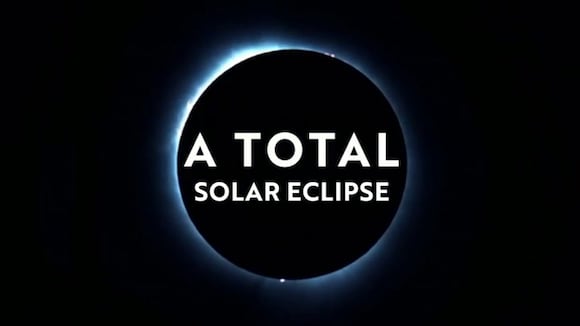
The August 12, 2026 solar eclipse will be one of the year’s most remarkable astronomical events. Totality will be visible only along a narrow path crossing Greenland, Iceland, the North Atlantic, and northern Spain, along with a small part of Portugal. In contrast, people across the northern United States will see a partial solar eclipse, with the amount of the Sun covered varying by location.
For viewers outside the path of totality, those facing unfavorable weather conditions, or anyone who simply wants to experience the event from multiple observation points, NASA will provide free live coverage. The broadcast will offer real-time eclipse imagery and updates, allowing audiences to follow the phenomenon without having to be physically present in the areas where totality can be observed.

Find out what time the solar eclipse will be visible in the USA today, August 12, 2026, including the exact schedule, visibility by location, and where to watch the eclipse live online. | Image created by Gemini.
Where to watch the solar eclipse live today?
NASA will provide special coverage of the eclipse through NASA Live, the free NASA+ streaming service, its official app, YouTube, and its social media platforms. The broadcast is scheduled to begin at 1:15 p.m. EDT, allowing viewers to follow the event from multiple observation locations.
The livestream will feature live images of the eclipse, expert commentary, and scientific coverage of the lunar umbra, the central and darkest part of the Moon’s shadow. Although the narration will be available in English, the visual resources, images, and scientific animations will make it possible for viewers around the world to follow and understand the event.
| Platform for watching NASA content | Is it free? | How to access |
|---|---|---|
| NASA Live / NASA+ | Yes | NASA official website and platform |
| NASA App | Yes | Official app for compatible mobile devices and TVs |
| YouTube de NASA | Yes | Official agency channel |
| Redes sociales de NASA | Yes | Real-time coverage and links |
| Netflix, Amazon Prime o X | Yes | NASA warns that a subscription or external services may be required. |